
A well pump that turns on and off every few seconds is usually experiencing a problem known as short cycling. Instead of completing a normal pumping cycle, the system repeatedly starts, stops, and restarts.
Short cycling is more than an annoyance. Each startup places stress on the pump motor and electrical components. If the cause is not corrected, the repeated cycling can increase energy use, reduce water pressure, and shorten the life of the pump.
The problem does not always mean the pump itself has failed. A damaged pressure tank, incorrect air pressure, a faulty pressure switch, plumbing leaks, or waterlogged equipment can all cause similar symptoms. The right repair begins with identifying which part of the system is creating the cycle.
What Is Normal Well Pump Cycling?
A properly operating well system does not activate the pump every time a small amount of water is used.
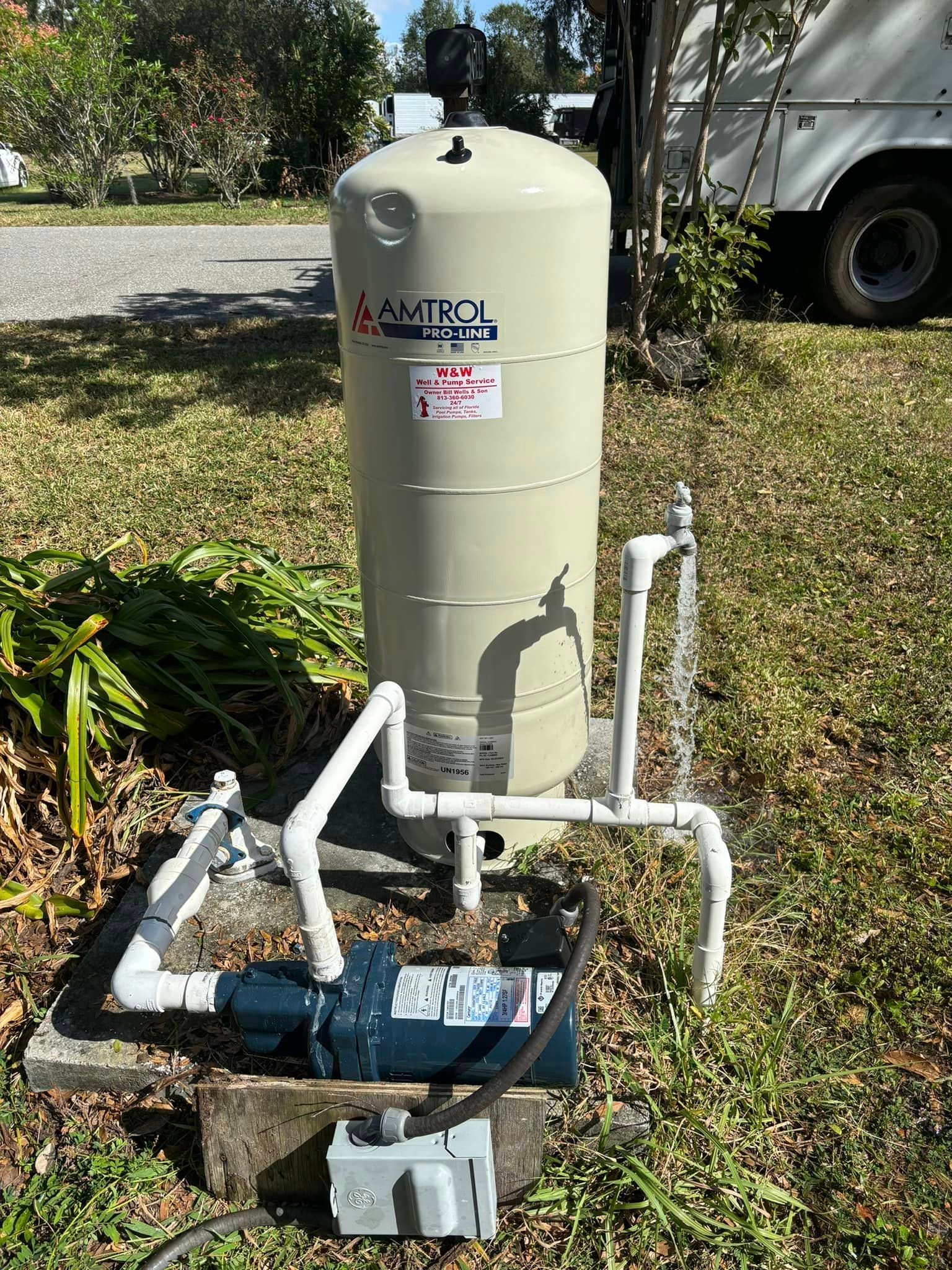
Instead, the pressure tank stores pressurized water. When you open a faucet, water initially comes from the tank. Once system pressure falls to the pressure switch’s cut-in setting, the pump starts and refills the tank. The pump then shuts off after reaching the cut-out pressure.
A normal cycle should provide a meaningful amount of water before the pump needs to start again.
Short cycling may look like this:
✅ The pump activates after only a few seconds of water use
✅ The pump turns off and immediately restarts
✅ Water pressure rises and falls repeatedly
✅ You hear frequent clicking near the pressure switch
✅ The pump cycles even when very little water is being used
If the pump continues cycling when no fixtures are running, a leak or control problem may be present.
Why Short Cycling Should Not Be Ignored
Well pumps are designed to run in complete cycles. Repeated starts create more electrical and mechanical strain than a longer, steadier operating period.
Continued short cycling can contribute to:
✅ Premature pump motor wear
✅ Pressure switch damage
✅ Higher electricity consumption
✅ Uneven water pressure
✅ Overheating of electrical components
✅ Unexpected loss of water
The longer the condition continues, the greater the risk that a relatively manageable problem will damage additional parts of the system.
A Waterlogged Pressure Tank
A waterlogged pressure tank is one of the most common causes of frequent pump cycling.
Most modern pressure tanks contain a flexible internal bladder or diaphragm that separates water from compressed air. The compressed air creates the pressure needed to push stored water into the plumbing.
If the bladder fails or the tank loses its air charge, the tank cannot store the normal amount of usable water. Pressure then drops almost immediately whenever a faucet opens, causing the pump to start repeatedly.
Possible signs of a pressure tank problem include:
✅ Rapid pump cycling
✅ Pressure that changes abruptly
✅ A tank that feels unusually heavy or full of water
✅ Very little water delivered between pump cycles
✅ Water pressure dropping as soon as a fixture opens
A technician can test the tank’s air charge, internal condition, and operating pressure to determine whether adjustment or replacement is appropriate.
Incorrect Pressure Tank Air Charge
A pressure tank may short cycle even if its internal bladder is still intact.
The air pressure inside the tank must be set correctly in relation to the pressure switch. If the air charge is too high or too low, the tank cannot provide its intended drawdown capacity.
Checking the air charge requires the pump power to be turned off and the water pressure to be completely drained from the system. Testing it while the system is pressurized can produce a misleading reading.
Because incorrect adjustments can create new pressure problems, homeowners should avoid adding or releasing air unless they understand the tank manufacturer’s requirements and the system’s pressure settings.
A Faulty or Obstructed Pressure Switch
The pressure switch tells the well pump when to start and stop. It responds to changes in system pressure through a small pipe or fitting connected to the plumbing.
Short cycling can occur when:
✅ The switch contacts are worn or damaged
✅ The pressure settings are incorrect
✅ Sediment blocks the small pressure-sensing opening
✅ Electrical connections are loose or deteriorated
✅ The switch does not respond accurately to pressure changes
You may hear repeated clicking near the switch as the pump starts and stops.
Pressure switches contain live electrical connections. Visual observation may be useful, but internal testing or replacement should be handled carefully by someone qualified to work on well pump electrical systems.
A Plumbing Leak or Running Fixture
A leak can cause the system to lose pressure even when no one is intentionally using water.
The pump then starts repeatedly to replace the water escaping from the system.
Potential sources include:
✅ Leaking toilets
✅ Outdoor hose bibs that do not fully close
✅ Damaged irrigation lines
✅ Underground water-line leaks
✅ Leaks near the pressure tank
✅ Check valve or foot valve problems
A small leak may not create visible standing water. One clue is a pressure gauge that steadily drops while all faucets, appliances, and irrigation systems are turned off.
If the pump cycles when no water should be in use, a leak inspection should be part of the diagnosis.
A Failing Check Valve or Foot Valve
Check valves and foot valves help keep water from flowing backward after the pump shuts off.
If one of these valves does not seal correctly, pressure may bleed back toward the well. The pressure switch then detects the loss and restarts the pump, even though no water has been used inside the property.
Possible symptoms include:
✅ Pump cycling with all fixtures off
✅ Pressure dropping shortly after the pump stops
✅ Air entering the plumbing
✅ Delayed water delivery
✅ Difficulty maintaining prime in some pump systems
Valve problems can be difficult to confirm without testing because the affected component may be underground, inside the well, or attached to the pump assembly.
A Pump That Is Too Large for the System
Pump sizing affects how long the pump runs during each cycle.
An oversized pump may raise system pressure too quickly. It reaches the shutoff setting before the pressure tank can provide a healthy operating cycle, leading to frequent starts and stops during periods of water use.
Proper pump selection depends on several factors, including:
✅ Well depth
✅ Available water supply
✅ Household demand
✅ Required flow rate
✅ Pressure tank capacity
✅ Plumbing configuration
Replacing a pump with a larger model does not automatically improve water service. The equipment must be matched to the well and the property’s actual needs.
A Pressure Tank That Is Too Small
A small pressure tank stores less usable water between pump cycles.
This does not always mean the tank is defective. It may simply have insufficient capacity for the pump output and the property’s water demand.
Frequent cycling may become especially noticeable when:
✅ Irrigation systems are operating
✅ Several fixtures are used together
✅ High-flow appliances are filling
✅ The property’s water use has increased
A professional can calculate whether the existing tank provides enough drawdown for the pump and current household demand.
Sediment or Mineral Buildup
Well water can carry naturally occurring sediment and minerals. Over time, buildup may affect pressure-sensing ports, valves, pipes, filters, and other system components.
Restrictions can interfere with normal pressure changes and cause the system to respond unpredictably.
Signs that buildup may be contributing include:
✅ Dirty or cloudy water
✅ Reduced flow at several fixtures
✅ Clogged filter cartridges
✅ Inaccurate pressure-gauge readings
✅ Irregular pump cycling
Cleaning or replacing one restricted component may help, but the entire system should be evaluated when several symptoms occur together.
Could Heavy Water Use Cause Frequent Cycling?
A pump naturally cycles more often when a household is using large amounts of water. Frequent operation during irrigation, laundry, showers, or outdoor cleaning is not automatically a defect.
The key difference is cycle length.
During normal heavy use, the pump may run for an extended period before shutting off. During short cycling, the pump starts and stops repeatedly in brief intervals.
Pay attention to:
✅ Whether cycling occurs only during high demand
✅ How long the pump runs before shutting off
✅ Whether pressure remains steady
✅ Whether cycling continues after water use stops
These details can help distinguish normal operation from a developing system problem.
What Homeowners Can Safely Check
You do not need to disassemble the well system to gather useful information.
Start with these observations:
✅ Turn off faucets, appliances, and irrigation systems
✅ Listen for continued pump operation or repeated clicking
✅ Watch the pressure gauge for unexplained pressure loss
✅ Check toilets for silent leaks
✅ Look for wet areas around visible plumbing
✅ Note how many seconds pass between pump starts
✅ Check whether a water filter is heavily clogged
Write down what you observe. Cycle timing, gauge movement, sounds, and the conditions under which the problem occurs can help speed up professional diagnosis.
What You Should Avoid Doing
Short cycling can involve pressurized water, electrical equipment, and components inside the well. Guessing at repairs may make the problem worse.
Avoid:
✅ Repeatedly resetting a tripped breaker
✅ Adjusting pressure-switch screws without testing
✅ Adding air to the tank while the system is pressurized
✅ Replacing the pump before checking supporting components
✅ Ignoring frequent cycling because water is still available
A system that continues delivering water can still be damaging the pump each time it cycles.
What Happens During a Professional Diagnosis?
A proper short-cycling diagnosis should evaluate the system as a whole rather than focusing on one part.
The process may include:
✅ Observing the pump’s cycle time
✅ Checking cut-in and cut-out pressure
✅ Testing the pressure tank’s air charge
✅ Inspecting the tank for internal failure
✅ Evaluating the pressure switch and sensing port
✅ Checking for plumbing or underground leaks
✅ Testing whether system pressure holds after shutdown
✅ Reviewing pump size and pressure tank capacity
Once the source is identified, the solution may involve adjusting the tank, replacing a switch, repairing a leak, servicing a valve, or replacing damaged equipment.
Can Short Cycling Be Repaired Without Replacing the Pump?
In many cases, yes.
Short cycling is often caused by a pressure tank, switch, leak, valve, or system-setting problem rather than complete pump failure.
Repair may be possible when the issue involves:
✅ Incorrect air pressure
✅ A clogged pressure-switch fitting
✅ A worn pressure switch
✅ A repairable plumbing leak
✅ A failed pressure tank
The condition of the pump should still be checked. If short cycling has continued for a long time, repeated starts may already have caused motor wear.
How to Reduce the Risk of Future Cycling Problems
Preventive attention helps protect the pump and pressure system.
Useful steps include:
✅ Investigating sudden changes in water pressure
✅ Replacing clogged filters as needed
✅ Repairing leaking fixtures promptly
✅ Having the pressure tank checked when cycling changes
✅ Avoiding unverified pressure-switch adjustments
✅ Scheduling an inspection when the pump begins operating differently
The goal is not to eliminate normal cycling. It is to ensure each cycle is long enough for the equipment to operate as designed.
Well Pump Short-Cycling Service from W&W Well & Pump Services
A well pump that rapidly turns on and off should be evaluated before the repeated cycling damages the pump or electrical controls.
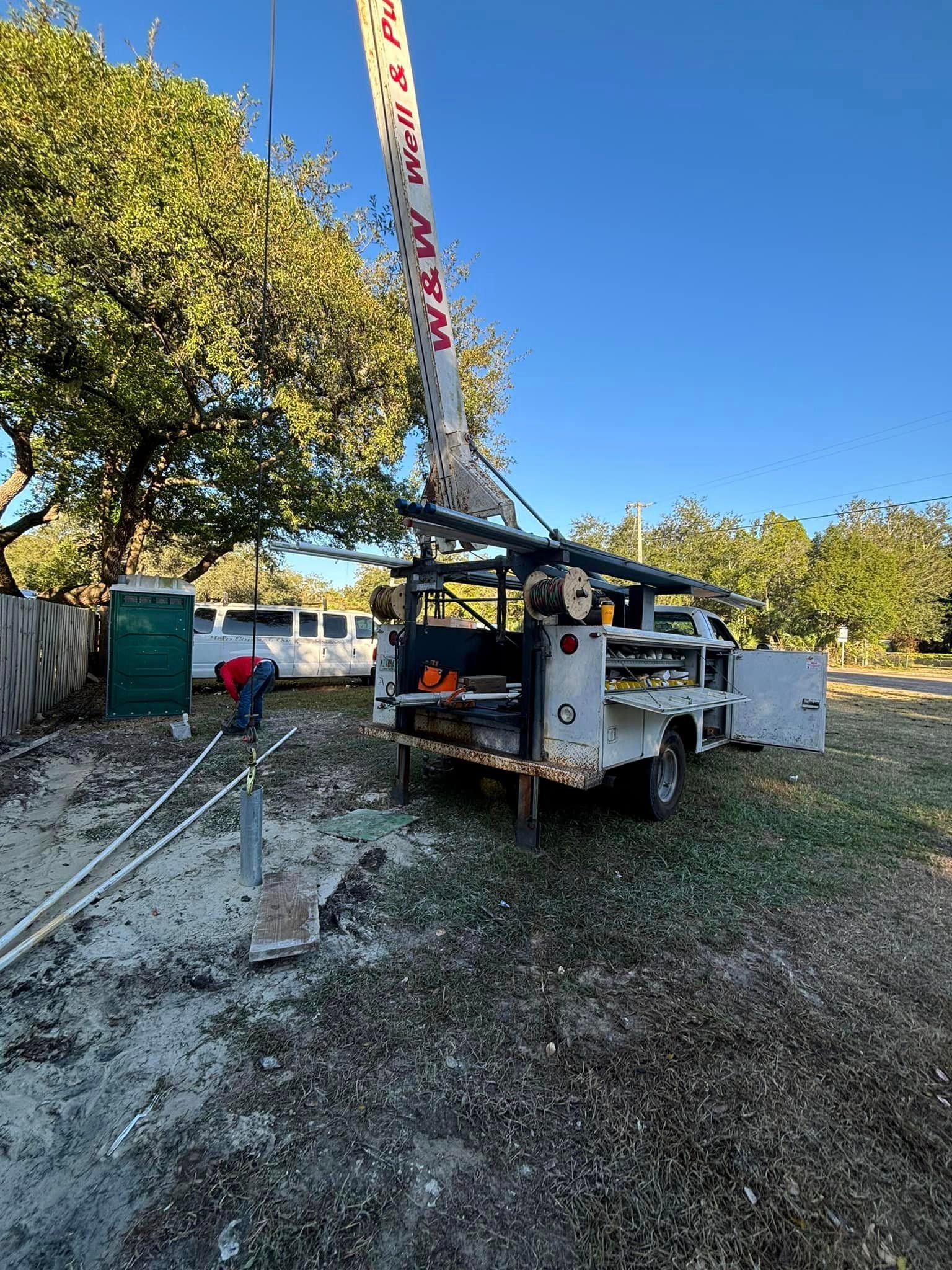
W&W Well & Pump Services provides well diagnosis, pump repair, pressure-system service, pump replacement, and related well services in Thonotosassa and surrounding areas. The right solution depends on whether the problem originates in the pressure tank, switch, plumbing, valves, pump, or system configuration.
If your pump is cycling every few seconds, losing pressure, or activating when no water is being used, a complete system diagnosis can identify the cause and help restore normal operation.
Frequently Asked Questions
How often should a well pump normally turn on and off?
There is no single cycle frequency that fits every system. A normal pump should run long enough to refill the pressure tank and then remain off while stored water is used. Starting and stopping every few seconds is not normal.
Can a bad pressure tank cause short cycling?
Yes. A waterlogged tank, ruptured bladder, incorrect air charge, or undersized tank can cause pressure to change too quickly, making the pump start and stop repeatedly.
Why does my well pump cycle when no water is running?
Pressure may be escaping through a plumbing leak, leaking toilet, damaged underground line, failing check valve, or foot valve. A faulty pressure switch may also activate the pump incorrectly.
Will short cycling damage a well pump?
Frequent starts place additional stress on the pump motor and electrical components. Continued short cycling can shorten equipment life and may eventually lead to pump failure.
Does short cycling always mean the well pump needs replacement?
No. The cause may be a pressure tank, pressure switch, leak, valve, clogged sensing port, or incorrect system setup. Testing the complete system is necessary before deciding whether the pump itself needs replacement.