
Few household problems are as stressful as turning on the faucet and discovering there’s no water. Whether you’re trying to take a shower, wash dishes, or simply fill a glass of water, a sudden loss of water can bring your entire day to a halt.
For homeowners who rely on private wells, this situation is usually caused by a problem somewhere within the well system—not necessarily the well itself. The good news is that many well problems can be diagnosed and repaired quickly when addressed by experienced professionals.
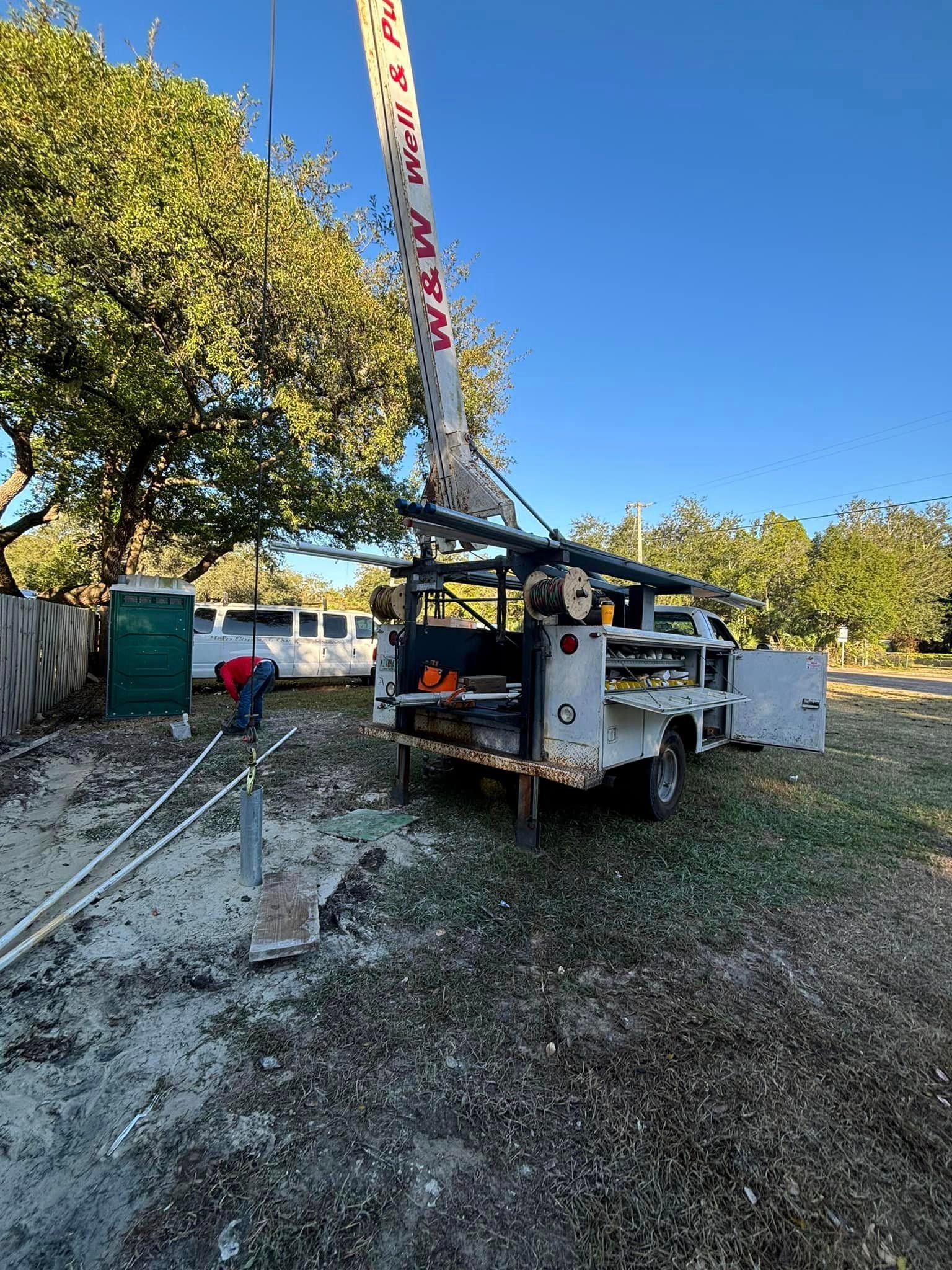
At W&W Well & Pump Services, we help homeowners throughout Central Florida identify the cause of well system failures and restore reliable water as quickly as possible. Understanding what might have gone wrong is the first step toward getting your water flowing again.
Understanding How Your Well System Works
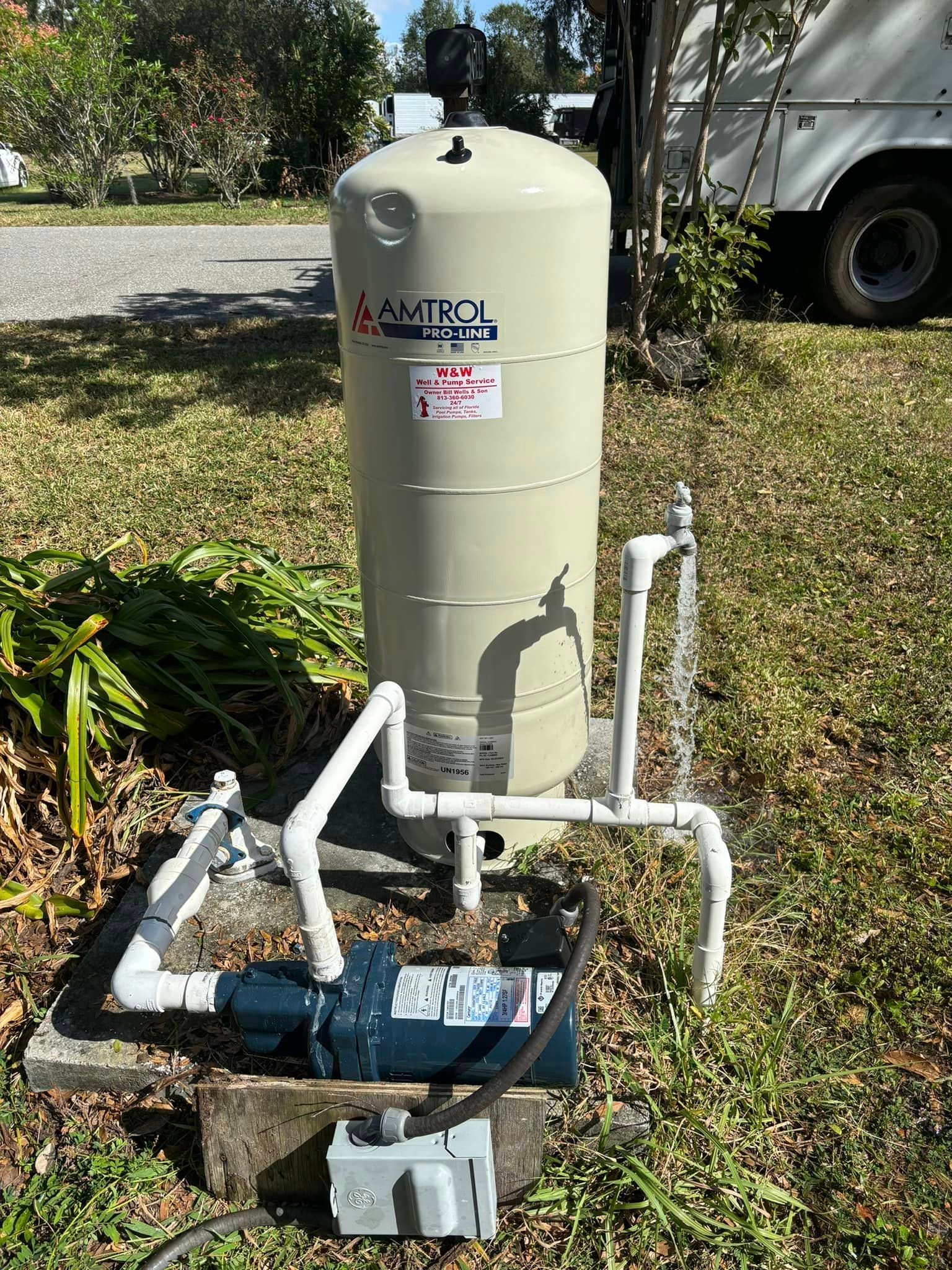
Your well system is made up of several components working together to provide clean, dependable water to your home or business.
These include:
✅ The well itself
✅ The well pump
✅ Pressure tank
✅ Pressure switch
✅ Electrical controls
✅ Water lines
✅ Filtration equipment (if installed)
When one of these components stops working properly, your entire water system can be affected.
1. Your Well Pump Has Failed
The most common reason for suddenly losing water is a malfunctioning well pump.
Over time, pumps experience normal wear from years of continuous operation. Internal components eventually wear out, electrical motors can fail, and mechanical parts may stop functioning correctly.
Signs your pump may be failing include:
✅ Complete loss of water
✅ Weak water pressure
✅ Pump running constantly
✅ Strange noises
✅ Frequent cycling
A professional inspection can determine whether the pump can be repaired or needs replacement.
2. The Pressure Switch Has Stopped Working
Your pressure switch controls when the pump turns on and off.
If it fails, your pump may never start, or it may continue running long after it should have shut off.
Common symptoms include:
✅ No water at all
✅ Rapid pump cycling
✅ Low water pressure
✅ Pump continuously running
Fortunately, pressure switches are often one of the simpler repairs when diagnosed early.
3. An Electrical Problem Has Interrupted the System
Since well pumps rely entirely on electricity, even a small electrical issue can stop your water supply.
Potential causes include:
✅ Tripped circuit breaker
✅ Damaged wiring
✅ Faulty control box
✅ Blown fuse
✅ Electrical surge damage
Electrical problems should always be inspected carefully to avoid replacing parts unnecessarily.
4. Your Pressure Tank Is Malfunctioning
The pressure tank stores water under pressure and helps reduce wear on your pump.
When it begins to fail, you may notice:
✅ Water pressure constantly changing
✅ Air sputtering from faucets
✅ Pump cycling every few seconds
✅ Complete loss of water
Replacing a failing pressure tank early can often prevent additional damage to your pump.
5. Low Groundwater Levels
Although less common, extended dry weather can affect groundwater levels in some areas.
If the water level inside the well drops too low, your pump may struggle to deliver adequate water or temporarily stop pumping altogether.
This issue often requires a complete system evaluation to determine the best solution.
6. Clogged Pipes or Filtration Equipment
Sediment naturally found in well water can gradually build up inside plumbing, filters, and treatment systems.
Over time this can cause:
✅ Reduced water flow
✅ Low pressure
✅ Dirty water
✅ Slow faucets
Routine maintenance helps prevent sediment from restricting water flow throughout your home.
7. A Water Leak Somewhere in the System
Hidden plumbing leaks can reduce pressure enough that your pump struggles to maintain proper operation.
Signs of a leak include:
✅ Pump running continuously
✅ Wet areas around the property
✅ Higher electric bills
✅ Lower water pressure
Even small leaks can place significant strain on your entire well system if left unrepaired.
What Should You Check Before Calling for Repairs?
Before assuming the worst, there are a few simple things homeowners can safely check.
Start by:
✅ Looking at your electrical breaker panel
✅ Checking whether your neighbors have power
✅ Looking for obvious leaks around the pressure tank
✅ Listening to see if the pump is operating
✅ Checking your pressure gauge (if your system has one)
If everything appears normal and your water still isn’t working, professional diagnosis is the safest next step.
Avoid Guessing the Problem
Many homeowners assume the pump itself has failed when the actual issue may involve a pressure switch, pressure tank, electrical connection, or another component.
Replacing parts without proper testing often increases repair costs and delays getting your water restored.
Professional diagnostic equipment allows technicians to pinpoint the exact cause before recommending repairs.
Regular Maintenance Helps Prevent Emergencies
Many well failures don’t happen overnight.
Small issues often develop weeks or months before they become major problems.
Routine inspections can identify:
✅ Electrical wear
✅ Pressure switch issues
✅ Pump performance changes
✅ Sediment buildup
✅ Water quality concerns
✅ Pressure tank problems
Preventative maintenance not only extends the life of your equipment but also reduces the likelihood of unexpected water outages.
Trust W&W Well & Pump Services to Restore Your Water
When your well system suddenly stops working, you need more than a quick fix—you need experienced professionals who understand every component of your water system.
At W&W Well & Pump Services, we provide reliable well and pump services designed to get your water flowing again as quickly as possible. From diagnosing electrical issues and repairing pumps to replacing pressure tanks and improving water system performance, our experienced team is committed to delivering dependable workmanship and outstanding customer service.
Whether your home has completely lost water or you’re noticing early warning signs of a developing problem, prompt attention can prevent more extensive repairs and help keep your water system operating efficiently for years to come.
Frequently Asked Questions
Why did my well suddenly stop producing water?
A sudden loss of water can be caused by a failed well pump, electrical problems, pressure switch failure, pressure tank issues, clogged plumbing, or low groundwater levels. A professional inspection can identify the exact cause.
Can a tripped breaker stop my well pump?
Yes. Since well pumps rely on electricity, a tripped breaker or blown fuse can immediately stop your water supply. If the breaker continues to trip, it may indicate a larger electrical or pump issue.
Is it safe to troubleshoot my own well system?
Homeowners can safely check breakers, look for visible leaks, and inspect pressure gauges. Repairs involving pumps, wiring, or pressure systems should always be handled by experienced professionals.
How often should a well system be inspected?
Most experts recommend having your well system professionally inspected at least once a year to identify small problems before they become expensive repairs.
Can regular maintenance prevent emergency well repairs?
Yes. Routine inspections and preventative maintenance help identify worn components, pressure problems, electrical issues, and declining pump performance before they lead to a complete loss of water.