If your home relies on a private well, regular inspections are one of the most important investments you can make. Unlike municipal water systems, private wells are the homeowner’s responsibility, meaning routine maintenance is essential to ensure your family has a safe, reliable, and consistent water supply.
Many well owners don’t think about their system until they suddenly lose water or notice a drop in pressure. Unfortunately, waiting until something goes wrong often leads to more expensive repairs that could have been prevented through routine inspections.
At W&W Well & Pump Services, we recommend proactive well inspections to identify small issues before they become major problems. A properly maintained well system can provide dependable water for many years while helping homeowners avoid unexpected emergencies.
Why Regular Well Inspections Matter
Your well system operates every day, supplying water for showers, laundry, cooking, cleaning, irrigation, and much more. Because most of the equipment is underground or located out of sight, it’s easy to overlook until a problem develops.
Regular inspections help ensure your entire system continues operating efficiently while protecting your investment.
A professional inspection can identify:
✅ Early signs of pump wear
✅ Pressure tank issues
✅ Electrical concerns
✅ Water quality changes
✅ Plumbing leaks
✅ Pressure switch problems
✅ Sediment buildup
By identifying these issues early, homeowners often avoid costly emergency repairs and unexpected interruptions to their water supply.
How Often Should a Well Be Inspected?
Most well professionals recommend having your well system inspected at least once every year.
Annual inspections allow technicians to monitor the condition of your equipment and identify changes before they affect performance.
You should also schedule an inspection anytime you notice:
✅ Lower water pressure
✅ Dirty or cloudy water
✅ Air coming from faucets
✅ Strange noises from the pump
✅ Higher electric bills
✅ The pump running continuously
✅ Sudden changes in water taste or odor
These warning signs often indicate developing issues that should be addressed promptly.
What Happens During a Professional Well Inspection?
A comprehensive inspection evaluates every major component of your water system.
Depending on your system, technicians may inspect:
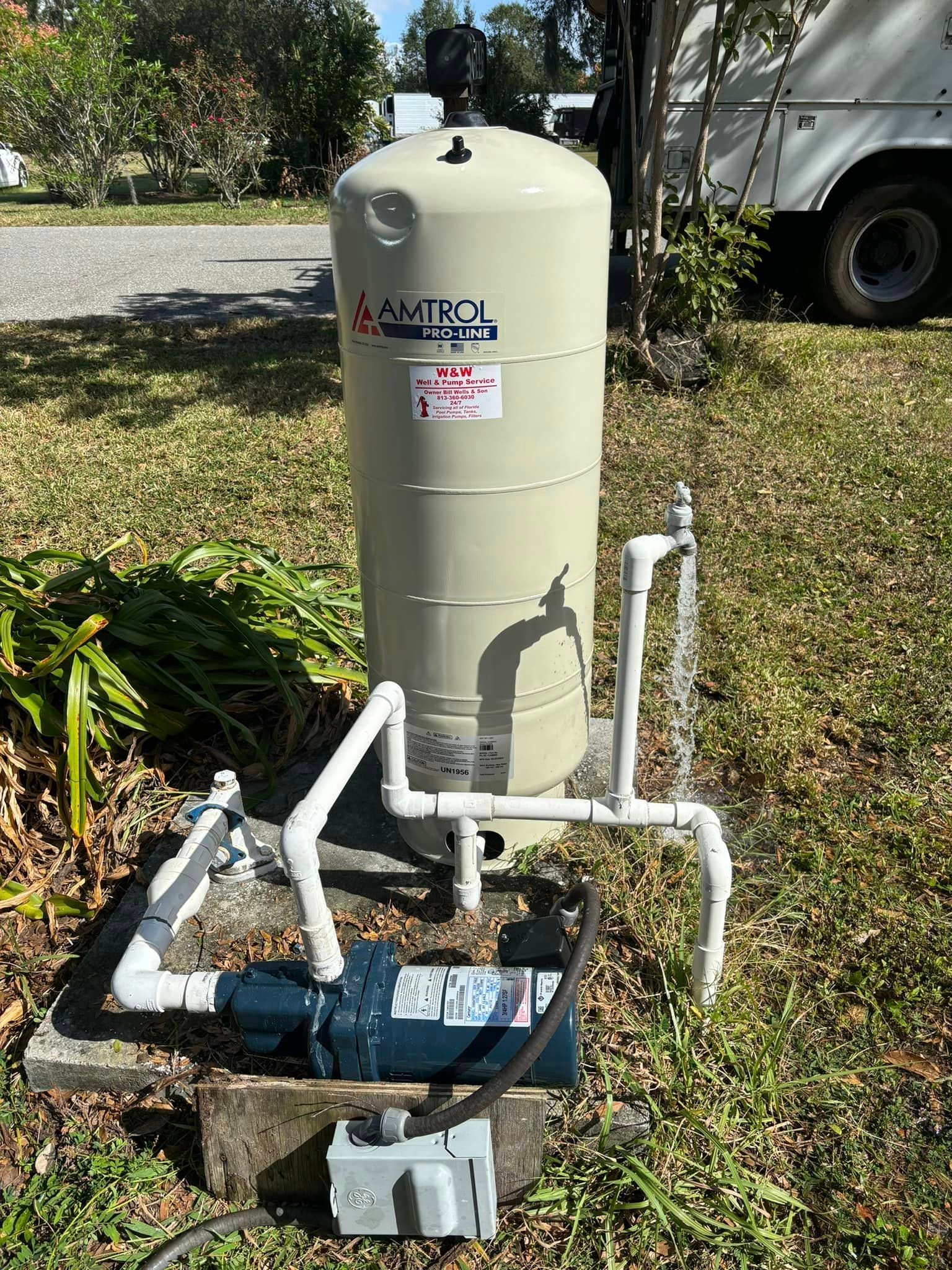
The Well Pump
The pump is responsible for delivering water from the well into your home.
During the inspection, technicians evaluate:
✅ Pump performance
✅ Electrical draw
✅ Water output
✅ Pump cycling
✅ Signs of wear
This helps determine whether the pump is operating efficiently or showing signs of failure.
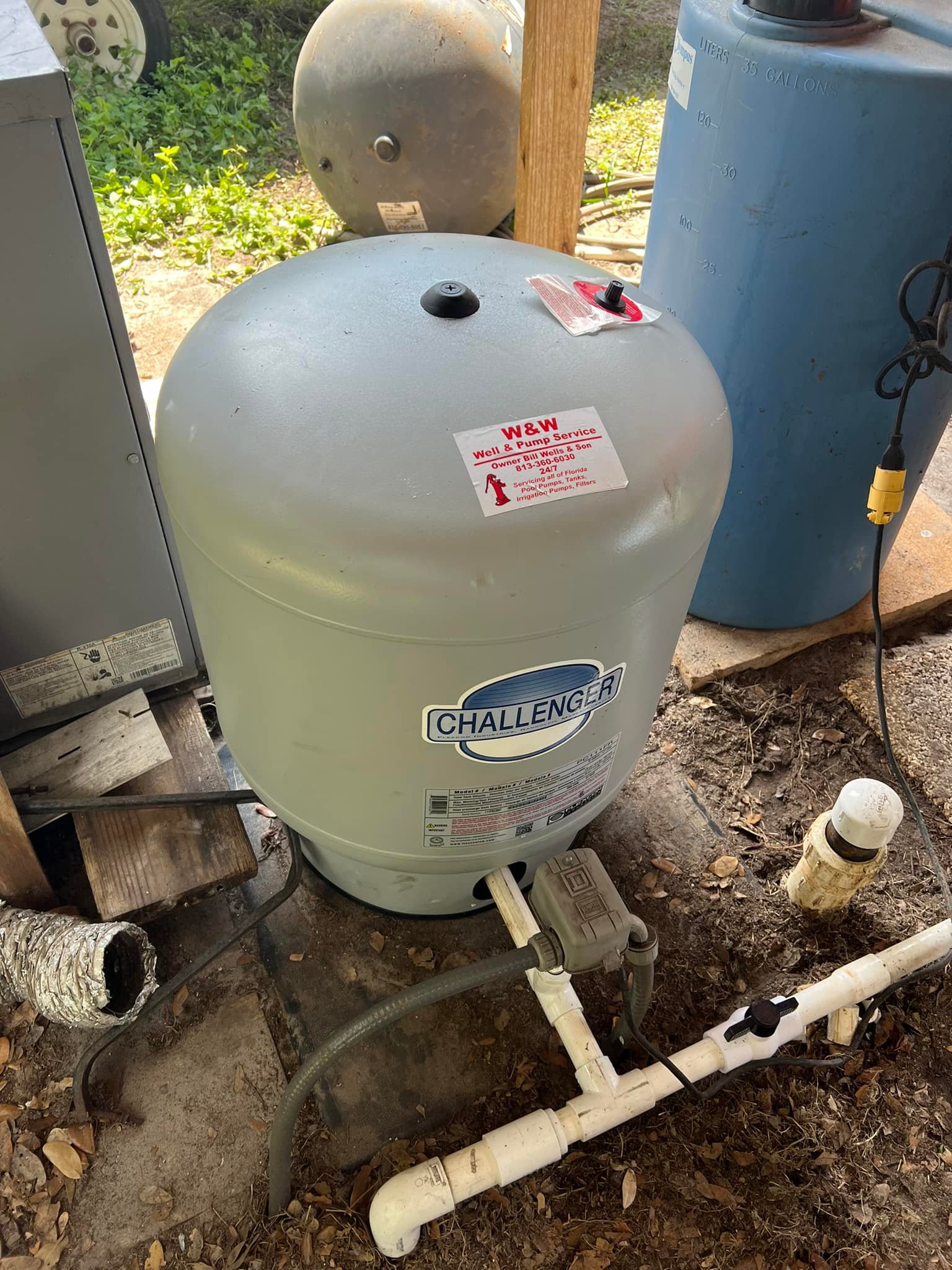
Pressure Tank
Your pressure tank plays a critical role in maintaining steady water pressure throughout your home.
The inspection includes checking:
✅ Air pressure
✅ Tank integrity
✅ Pressure settings
✅ Proper cycling
A failing pressure tank can increase wear on your pump and lead to expensive repairs if ignored.
Electrical Components
Well systems depend on electrical controls to operate correctly.
Technicians inspect:
✅ Pressure switches
✅ Control boxes
✅ Wiring connections
✅ Circuit protection
Electrical issues are one of the leading causes of unexpected well system failures.
Water Quality
Water quality is just as important as system performance.
Depending on your needs, inspections may include testing for:
✅ Sediment
✅ Mineral content
✅ Water clarity
✅ Odor
✅ Taste changes
If concerns are identified, filtration or treatment options may be recommended to improve the quality of your water.
Why Florida Homes Need Routine Well Maintenance
Florida’s climate creates unique challenges for private well systems.
Heavy rainfall, seasonal weather changes, sandy soils, and naturally occurring minerals can all affect your well over time.
Routine inspections help identify changes caused by environmental conditions before they begin affecting your home’s water supply.
Regular maintenance also helps extend the lifespan of your equipment while maintaining consistent water pressure throughout the year.
Signs You Should Schedule an Inspection Immediately
Don’t wait for a complete system failure before calling a professional.
If you notice any of these warning signs, it’s time to schedule an inspection.
✅ Water pressure suddenly drops
✅ Faucets sputter air
✅ Water appears dirty or cloudy
✅ Strange noises from the pump
✅ Pump runs continuously
✅ Water suddenly stops flowing
✅ Your electric bill increases unexpectedly
Early diagnosis often means simpler and less expensive repairs.
Can Well Inspections Save Money?
Absolutely.
Many homeowners view inspections as an unnecessary expense until they experience an emergency.
In reality, routine inspections often save money by preventing:
✅ Pump burnout
✅ Pressure tank replacement
✅ Electrical failures
✅ Emergency service calls
✅ Plumbing damage
✅ Long periods without water
Replacing one small component is almost always less expensive than replacing an entire pump system after a major failure.
Preventative Maintenance Protects Your Investment
Your well system is one of the most valuable mechanical systems on your property.
Routine maintenance helps:
✅ Extend pump life
✅ Improve energy efficiency
✅ Maintain consistent water pressure
✅ Protect water quality
✅ Reduce unexpected breakdowns
✅ Lower long-term repair costs
A little preventative care today can add years to the life of your well equipment.
Trust W&W Well & Pump Services for Professional Well Inspections
At W&W Well & Pump Services, we believe preventative maintenance is the key to keeping your well system operating safely and efficiently. Our experienced technicians perform thorough inspections designed to identify potential problems before they become costly emergencies.
Whether you’ve recently purchased a home with a private well, haven’t had your system inspected in several years, or are simply noticing changes in water pressure or quality, our team is here to help. We take the time to carefully evaluate your system, explain our findings, and recommend practical solutions that fit your needs.
By scheduling routine inspections, you’ll gain peace of mind knowing your well system is operating at its best while helping to protect your home’s water supply for years to come.
Frequently Asked Questions
How often should a private well be inspected?
Most professionals recommend having a private well inspected once a year. Annual inspections help identify developing problems before they become expensive repairs and ensure your water system continues operating efficiently.
What does a well inspection include?
A typical inspection evaluates the well pump, pressure tank, pressure switch, electrical components, water pressure, overall system performance, and may include water quality testing depending on your system and concerns.
Is a well inspection necessary if everything seems to be working?
Yes. Many well system problems develop gradually without obvious symptoms. Routine inspections can identify hidden issues early and help prevent unexpected breakdowns.
Can a well inspection improve water quality?
A well inspection can identify water quality concerns such as sediment, mineral buildup, or changes in taste and odor. If needed, filtration or treatment solutions can be recommended to improve your water.
Can regular inspections extend the life of my well pump?
Yes. Identifying worn components, pressure issues, and electrical problems early reduces unnecessary strain on your pump, helping it operate more efficiently and potentially extending its lifespan.