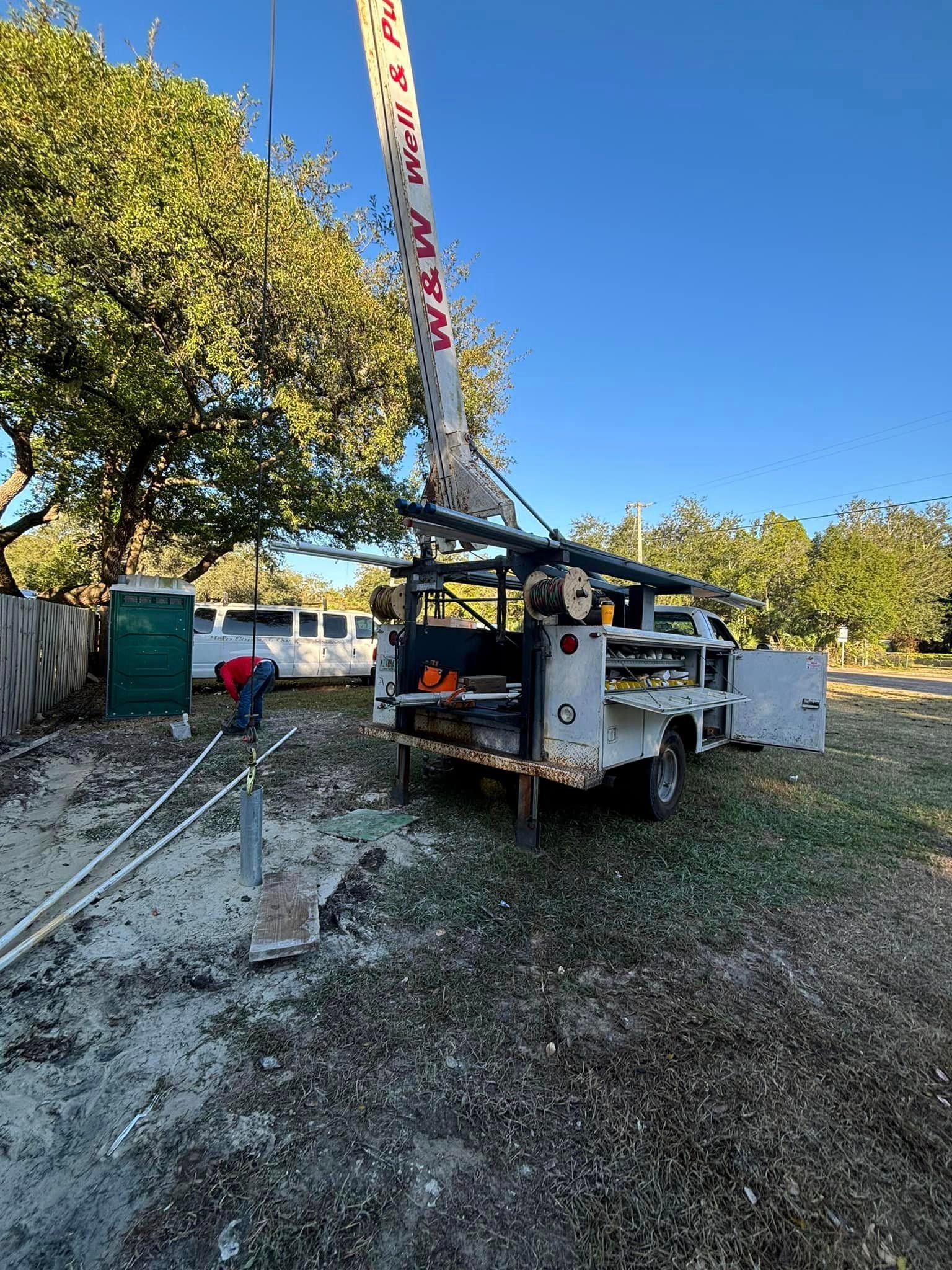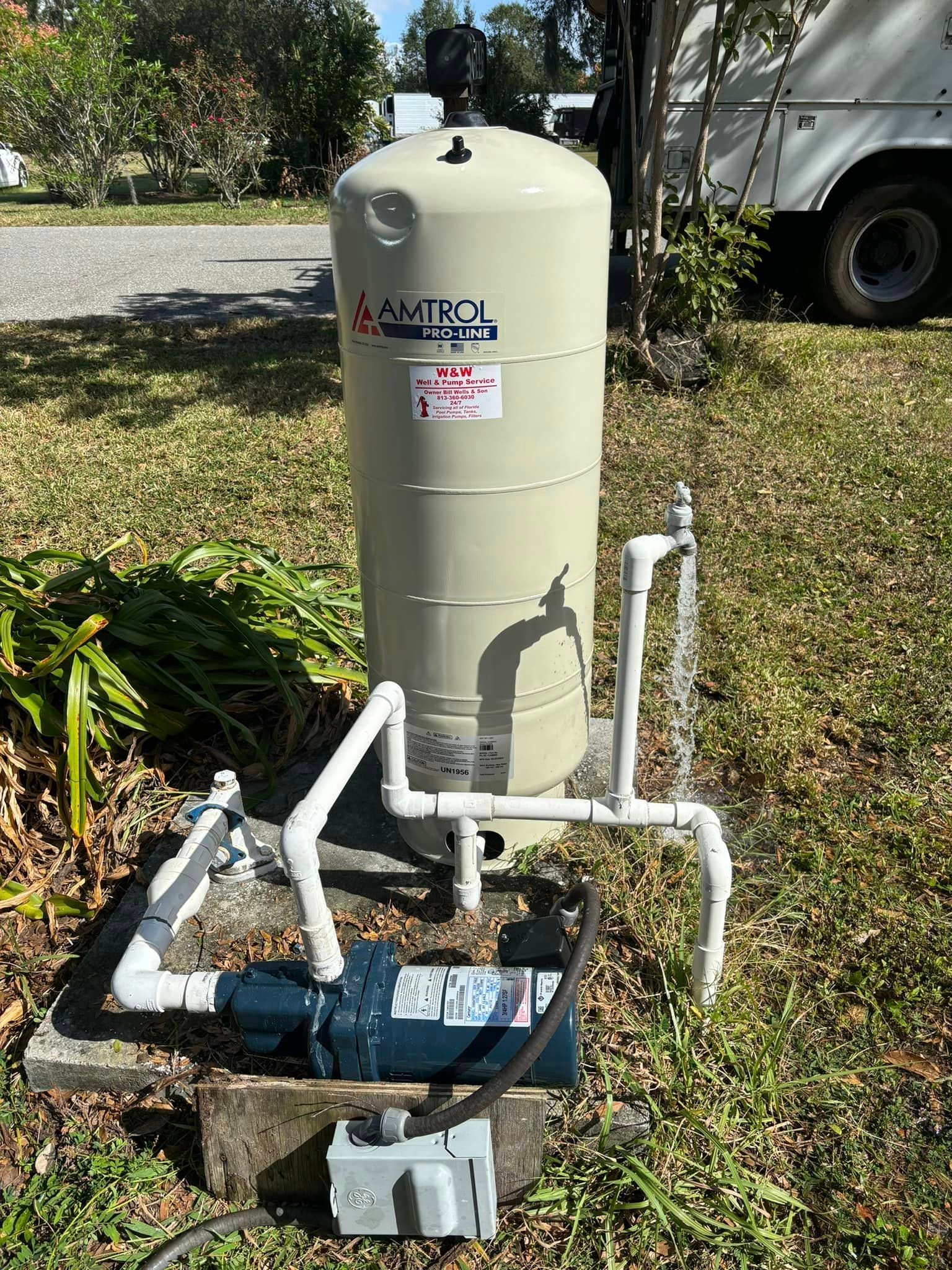

Your well pump is the heart of your entire water system. Every time you turn on a faucet, take a shower, run the dishwasher, or water your lawn, your pump is working behind the scenes to deliver a reliable supply of water throughout your property.
Like any mechanical equipment, well pumps experience wear over time. While many homeowners don’t think about their well system until something goes wrong, most pumps actually show warning signs before they fail completely. Recognizing these symptoms early can save you from unexpected water outages, expensive emergency repairs, and unnecessary damage to other parts of your water system.
At W&W Well & Pump Services, we’ve helped countless homeowners diagnose and repair well pump problems before they turned into major emergencies. Here are ten of the most common warning signs your well pump may need professional attention.
Your Well Pump Works Hard Every Day
Most homeowners never see their well pump, but it operates hundreds of times every day. Every demand for water causes your pump to activate, pressurize your plumbing system, and keep water flowing where you need it.
Because it works so frequently, even a small issue can gradually become a larger problem if left unchecked. Routine inspections and prompt repairs are the best way to maximize the life of your well system.
1. You Suddenly Have No Water
One of the most obvious signs of a well pump problem is a complete loss of water.
If you turn on a faucet and nothing comes out, several issues could be responsible, including:
✅ Failed well pump
✅ Tripped electrical breaker
✅ Faulty pressure switch
✅ Damaged control box
✅ Electrical wiring problems
✅ Low water level inside the well
Although some issues are relatively simple, others require professional diagnosis to prevent additional damage.
2. Your Water Pressure Keeps Changing
Have you noticed your shower pressure getting weaker?
Does the kitchen faucet seem inconsistent throughout the day?
Fluctuating water pressure is often one of the earliest signs that your well system isn’t operating correctly.
Common causes include:
✅ Worn pump components
✅ Pressure tank issues
✅ Sediment buildup
✅ Failing pressure switch
✅ Plumbing restrictions
Ignoring inconsistent pressure often leads to more expensive repairs later.
3. Your Pump Runs Constantly
A properly functioning well pump should cycle on and off as your pressure tank fills and empties.
If the pump never seems to stop running, it’s trying to compensate for another problem within the system.
Possible causes include:
✅ Water leaks
✅ Pressure tank failure
✅ Pressure switch malfunction
✅ Underground plumbing leaks
✅ Aging pump motor
Continuous operation dramatically increases wear and shortens the life of the pump.
4. Your Electric Bill Suddenly Increases
Many homeowners are surprised to learn that a failing well pump often causes higher electrical costs.
As pumps age, they lose efficiency and must work harder to deliver the same amount of water.
If your electric bill suddenly rises without another obvious explanation, your well system could be consuming more energy than it should.
5. Dirty, Cloudy, or Sandy Water
Clean well water should be clear and free from excessive sediment.
If you begin noticing:
✅ Sand
✅ Dirt
✅ Rust-colored water
✅ Cloudy water
✅ Excess sediment
your pump or well may require immediate inspection.
Sediment not only affects water quality but can also damage plumbing fixtures, appliances, and the pump itself.
6. Strange Noises Coming From Your Well System
Well pumps normally operate quietly.
Grinding, humming, clicking, vibrating, or buzzing noises often indicate worn bearings, electrical problems, or internal mechanical damage.
These sounds should never be ignored because early repairs are often much less expensive than replacing an entire pump.
7. Air Coming From Your Faucets
If your faucets sputter air before water begins flowing, your well system may be drawing air somewhere within the system.
Possible causes include:
✅ Low groundwater levels
✅ Damaged pipes
✅ Leaking suction lines
✅ Failing pump components
Air in your plumbing usually indicates that something within the system needs professional attention.
8. The Pump Turns On and Off Repeatedly
Known as short cycling, this occurs when the pump repeatedly starts and stops within a short period.
Short cycling is commonly caused by:
✅ Pressure tank failure
✅ Incorrect pressure settings
✅ Water leaks
✅ Pressure switch problems
✅ Pump wear
This places unnecessary stress on every component of the system and can significantly reduce pump life.
9. Your Well Pump Is More Than 10 to 15 Years Old
Even if your system appears to be working properly, age alone can indicate it’s time for an inspection.
Most residential well pumps last between 10 and 15 years, depending on:
✅ Installation quality
✅ Water quality
✅ Daily water usage
✅ Maintenance history
Older pumps are more likely to experience unexpected failures, making routine inspections increasingly important.
10. Your Water System Doesn’t Feel “Normal”
Sometimes the warning signs are subtle.
You may notice:
✅ Water pressure slowly decreasing
✅ Faucets taking longer to reach full pressure
✅ Irrigation systems running weaker
✅ Appliances filling more slowly
✅ Changes in water flow throughout the day
These gradual changes often indicate that your pump is beginning to wear out and should be inspected before it fails completely.
Repair or Replace?
Not every well pump problem requires replacing the entire unit.
Many issues involve components such as the pressure switch, pressure tank, control box, wiring, or electrical connections that can often be repaired without installing a new pump.
An experienced technician can evaluate the condition of your system and recommend the most cost-effective solution based on the age of the equipment, the severity of the problem, and the overall health of your well system.
Preventative Maintenance Makes a Difference
Many emergency repairs can be avoided through regular maintenance and inspections.
Routine service allows technicians to identify small problems before they become expensive emergencies.
Preventative inspections can uncover:
✅ Worn electrical components
✅ Pressure tank problems
✅ Minor leaks
✅ Sediment buildup
✅ Water quality concerns
✅ Early pump wear
Addressing these issues early helps improve system efficiency, extend equipment life, and reduce the risk of unexpected water outages.
Why Homeowners Trust W&W Well & Pump Services
At W&W Well & Pump Services, we understand how important dependable water is for your home, family, or business. Whether you’re experiencing low pressure, unusual noises, dirty water, or a complete loss of water, our experienced technicians provide accurate diagnosis and dependable solutions tailored to your system.
We proudly serve homeowners and businesses throughout Thonotosassa and the surrounding Central Florida communities, providing reliable well services, pump repairs, well pump installation, water filtration solutions, and emergency well service. Our commitment to quality workmanship, honest recommendations, and exceptional customer service has earned the trust of customers who rely on us whenever their water system needs attention.
If you’ve noticed any of these warning signs, don’t wait until you’re left without water. Having your system inspected early can prevent larger repairs, reduce long-term costs, and help keep your water flowing reliably for years to come.
Frequently Asked Questions
Can a well pump give warning signs before it fails?
Yes. Most well pumps show warning signs such as fluctuating water pressure, unusual noises, higher electric bills, dirty water, or frequent cycling before they stop working completely.
How long does a residential well pump usually last?
Most residential well pumps have an average lifespan of 10 to 15 years, although factors such as water quality, usage, installation quality, and regular maintenance can extend or shorten their lifespan.
What should I do if I suddenly lose water?
First, check your home’s electrical breaker and verify there isn’t a general power outage. If everything appears normal, it’s best to have your well system professionally inspected to determine the exact cause of the problem.
Is low water pressure always caused by the pump?
Not necessarily. Low pressure can also result from pressure tank issues, clogged filters, plumbing leaks, pressure switch failures, or sediment buildup within the well system.
How can I prevent well pump failure?
Routine inspections, regular maintenance, monitoring changes in water pressure, and addressing small issues early are the best ways to extend the life of your well pump and avoid unexpected breakdowns.